Be yourself; Everyone else is already taken.
— Oscar Wilde.
This is the first post on my new blog. I’m just getting this new blog going, so stay tuned for more. Subscribe below to get notified when I post new updates.
Be yourself; Everyone else is already taken.
— Oscar Wilde.
This is the first post on my new blog. I’m just getting this new blog going, so stay tuned for more. Subscribe below to get notified when I post new updates.
Social innovation
Social innovations are new solutions including products, services, models, markets, processes, and so on, which simultaneously meet a social need (more effectively than existing solutions) and lead to new or improved capabilities and relationships and better use of assets and resources. In other words, social innovations are both good for society and enhance society’s capacity to act[1].
The relationship between social innovation and environmental outcomes
Social innovation has a positive influence on the environmental outcomes. Social innovation seems like a valuable and powerful tool in order to get a good result for environment, which includes social groups to create and develop ideas and solutions about environment. In addition, social innovation is well positioned to deal with environmental challenges, which are multifaceted and often require social or behavioral shifts towards more sustainable options related to SDG (Sustainable Development Goal).
Case study of social innovation and environmental outcomes
If you have already understood the relationship between social innovation and environmental outcomes, some people maybe concern whether environmental outcomes can be effectively achieved through social innovation or not.
There is a case about specific social innovation, which exemplify environmental benefits being effectively achieved and work towards SDG (Sustainable Development Goal). There are initiatives in wastewater treatment and wastewater recycling. In addition, social innovation will lead to environmental benefits based on the concept of ecosystem services, supporting natural resources, such as wetlands and rivers, which provide a range of services to the local, national and global community.
Case study: Wastewater Treatment Project related to environmental social innovation [2]
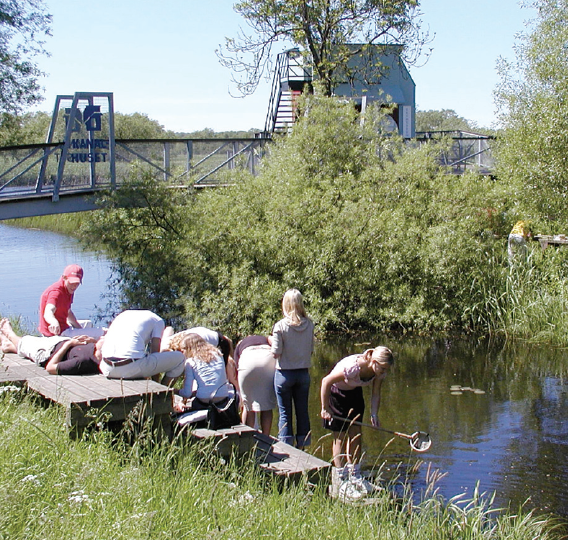
Kristianstads Vattenrike is a 35-km-long wetland area surrounded by cultivated landscape in southern Sweden, which provides important ecosystem services, such as flood control, water purification, biodiversity support, recreational space and grazing for cattle. For many years, farmers had used the wetlands for grazing and making hay but economic pressures had caused farmers to relocate to land that was easier to manage, which means the wetlands became wastewater, losing their value in terms of providing habitat for wildlife, recreational spaces and other ecosystem services.
Therefore, the local government came up with a social innovation, which had a positive influence on local environment. The eco-museum has been constructed as a social innovation in order to create a balanced relationship between people and nature improving the wastewater treatment where conservation and sustainable development go hand in hand with each other. In addition, biosphere reserves are designated by the United Nations to play an important role in managing the wetlands.
When the eco-museum Kristianstads Vattenrike as social innovation was established, the wetland was taken into consideration as an asset rather than an environmental problem, appealing to a range of values by integrating conservation with social development and creating a new identity for the town of Kristianstad. By doing so, the goal of management was no longer simply wastewater treatment but also supporting ecosystem services through social innovation, which does a great job in contributing to social and economic wellbeing. What’s more, the eco-museum as the social innovation formed a bridging organization, which can coordinate the fragmented efforts to manage wastewater and facilitated more collaborative management of this area with high environmental value.
The case of wastewater treatment project related to environmental social innovation mentioned above tends to provide multiple benefits or functions, which is the best results we would expect to see.
Recommendations to environmental social innovation related to SDG (Sustainable Development Goal)

Reference
[1] https://en.wikipedia.org/wiki/Social_innovation
[2] Adams, D. & Hess, M. (2008). Social innovation as a new public administration strategy. In: Proceedings of the 12th Annual Conference of the International Research Society for Public Management.
[3]https://www.google.com/search?q=Biosf%C3%A4rkontoret,+Sven-Erik+Magnusson&rlz=1C1SQJL_zh-CNAU818AU818&source=lnms&tbm=isch&sa=X&ved=0ahUKEwib1MvX58jkAhUJfH0KHcSsApUQ_AUIEigB&biw=1707&bih=838&dpr=1.13#imgrc=_GoDUzvC_Jc5bM: [4] https://sustainabledevelopment.un.org/?menu=1300
Wastewater
Wastewater is the used water from households and business, which is disposed through the sewerage syastem. The majority of the wastewater is sourced from showers and washing machines.
As we know, water resources on earth are limited so that top priority has been given to the waste water treatment, which can provide a sustainable and secure water resource to human being.
Therefore, regulatory frameworks, which includes social constructs, policy, legislation, and so on need to be taken into consideration. From my own perspective, legislation framework plays a significant role in developing a better wastewater engineering.
The relationship between legislation framework and wastewater engineering
Speaking of the relationship between legislation framework and wastewater engineering, I think they are complementary, which means legislation framework seems to be a constraint in order to supervise the quality of the wastewater and wastewater treatment engineering can be improved with the development of the legislation framework in order to make sure the healthy human body, energy-consuming reduction, and work efficiency improvement.
The importance of regulation in the development of better wastewater engineering
To be clarified, regulation or legislation of wastewater is provided by the federal government, which presents and summarizes recommended wastewater treatment guidelines for the development of better wastewater engineering in order to protect ecosystems and environment in a sustainable way.
In addition, there is an old saying goes that nothing can be accomplished without norms or standards. Similarly, wastewater treatment is the most important issue related to people’s healthy life under the wastewater regulation or legislation, which can promote the development of the wastewater engineering.
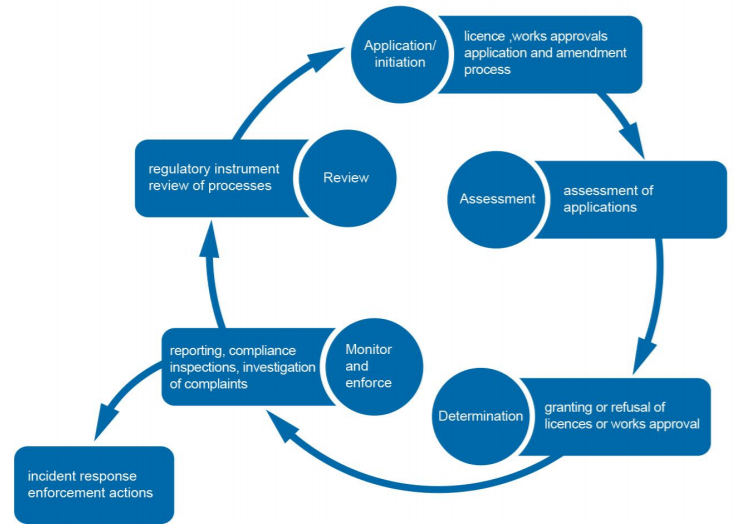
Only on the basis of obeying the regulation or legislation, wastewater engineering can be better development in a sustainable way. Therefore, regulation or legislation of wastewater can do a great job in developing wastewater life cycle (shown in Figure 1 below) [1]. The figure demonstrated that five effective regulatory cycle at different stages will make sure wastewater engineering proceeding smoothly.
Additionally, with the help of the regulation or legislation, the final results of the wastewater engineering will reach a higher hierarchy (shown in Figure 2 below) [1].
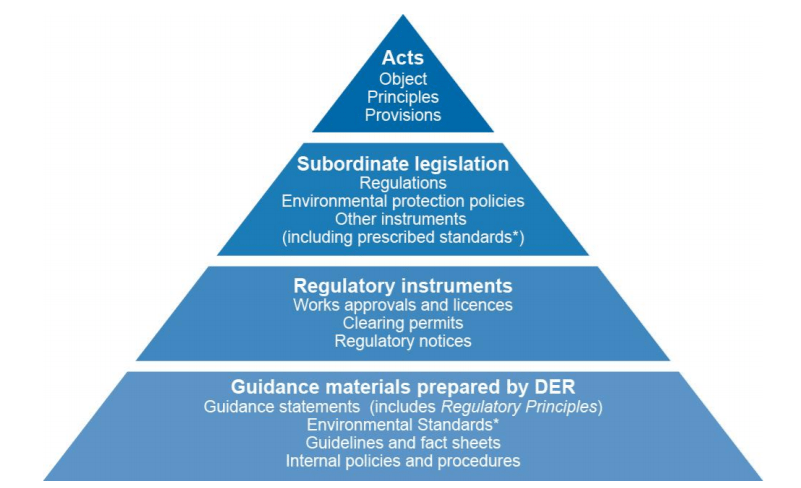
What’s more, I found some Australian regulations, which can illustrate how to have an important influence on the following aspects:
Finally, wastewater regulation or legislation in Western Australia is currently contained in six separate Acts, several of which were established in the early 20th century. Constant amendments to the wastewater regulation or legislation over the decades has already become more completed, and in some cases, wastewater regulation or legislation has a positive influence on modern wastewater engineering management.
Innovative legislation as solution to wastewater engineering related to SDG (Sustainable Development Goals)
Old legislation cannot provide for management of innovative new ways to manage wastewater. From my own perspective, innovative regulation or legislation related to SDG (Sustainable Development Goals) should be created as solution in order to cope with the wastewater engineering issues:
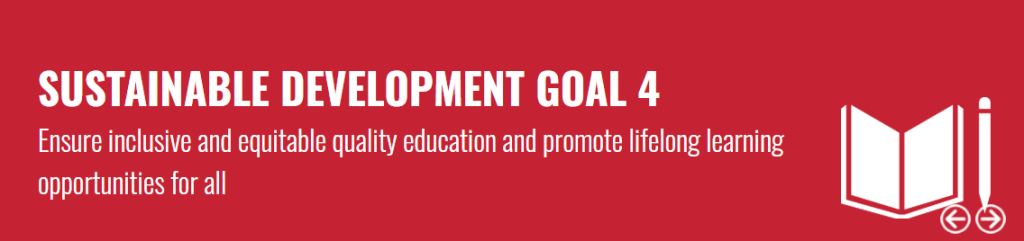
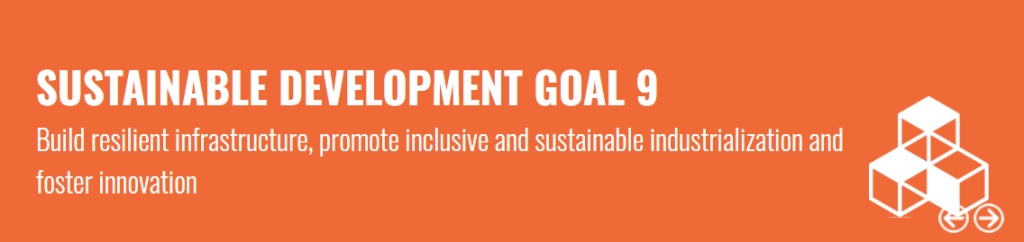
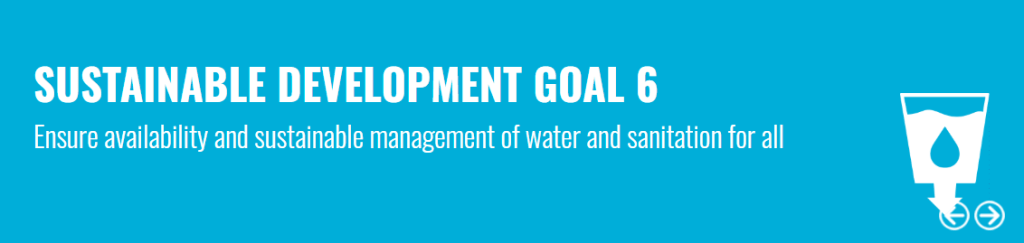
The innovative legislation closely related to SDG (Sustainable Development Goals) will support the development of better wastewater engineering in order to reduce the wastewater pollution, increase water quality, protect the environment, and even change climate in Perth or in Western Australia or maybe all over the world.
Reference
[1]https://www.der.wa.gov.au/images/documents/our-work/regulatory-principles/Guidance_Statement_Regulatory_Principles.pdf
[2]https://www.legislation.wa.gov.au/legislation/prod/filestore.nsf/FileURL/mrdoc_25638.pdf/$FILE/Metropolitan%20Arterial%20Drainage%20Act%201982%20-%20%5B03-a0-03%5D.pdf?OpenElement
[3]https://www.legislation.wa.gov.au/legislation/prod/filestore.nsf/FileURL/mrdoc_41689.pdf/$FILE/Environmental%20Protection%20Act%201986%20-%20%5B09-c0-02%5D.pdf?OpenElement
[4]http://www.water.wa.gov.au/legislation/current-legislation
[5]https://sustainabledevelopment.un.org/
[6]http://www.water.wa.gov.au/legislation/water/water-resource-management-legislation
What kinds of issues do wastewater infrastructure facing?
A variety of issues need to be taken into consideration into wastewater infrastructure: 1. Aging wastewater infrastructure 2. Funding concerns 3. Expanding regulations 4. Technology backwardness
Aging wastewater infrastructure
It is beyond any question that the most important issue currently facing wastewater infrastructure is aging wastewater infrastructure, which includes pumps, pipelines, tunnels, and wastewater treatment facilities (shown in Figure 1 below).
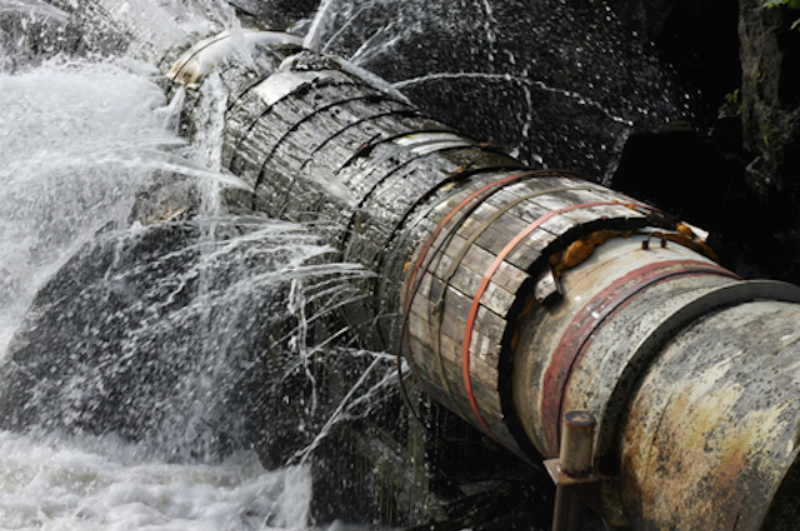
The seriousness of this problem is that aging wastewater infrastructure will lead to wastewater not to be treated very cleanly, which will pose a potential threat to human health as well as natural environment. In addition, it will not catch up the up-to-date regulation, which is illegal and constitute a crime. What’s more, keeping using the aging wastewater infrastructure will have a negative influence on energy consumption due to the fact that innovative technology cannot be applied into aging wastewater infrastructure.
For example, more than 50% of the water distribution and collection systems in the Northeastern America are more than 60 years old. In the Midwest of America, 35% of water processing infrastructure is more than 60 years old [2].
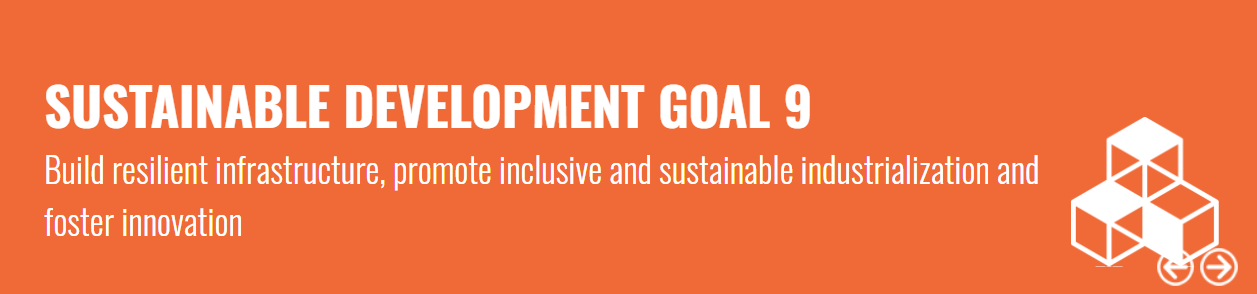
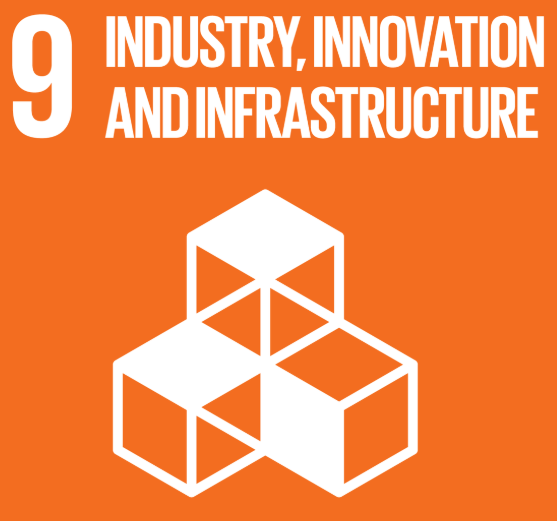
Based on the SDG 9 (sustainable development goals 9) (shown in Figure 2 below): In 2016, medium-high and high-tech sectors accounted for 44.7 percent of the global manufacturing value added. Medium-high and high-tech products continued to dominate manufacturing production in Northern America and Europe, reaching 47.4 percent in 2016 compared with 10.4 percent in least developed countries [3]. Even if America nominated the medium-high and high technological products in the world, reaching at 44.7%, aging wastewater infrastructure occurs commonly in America. Not to say that the serious problems of aging wastewater infrastructure occur in developing countries, such as China, India, and so on.
In my opinion, Funding (Money) is always a problem in solving the aging wastewater infrastructure, which will use to purchase the up-to-date machines supported by government keeping up with the changing regulations and technology in the future.
What should we do with aging wastewater infrastructure?
Based on the analysis mentioned above, top priority has been given to the solution of dealing with aging wastewater infrastructure. We need to evaluate the existing wastewater equipment and to determine that we can purchase as well as update wastewater equipment or repair the existing wastewater equipment adding innovative technology in order to reduce money to update aging wastewater equipment to a larger extend. There are several factors acting as solution of aging wastewater infrastructure. Some factors to be considered include:
Innovation
In class, Dr. Steve Capewell develop the idea of innovation across the water cycle, which is quite inspiring and useful (shown in Figure 3 below).
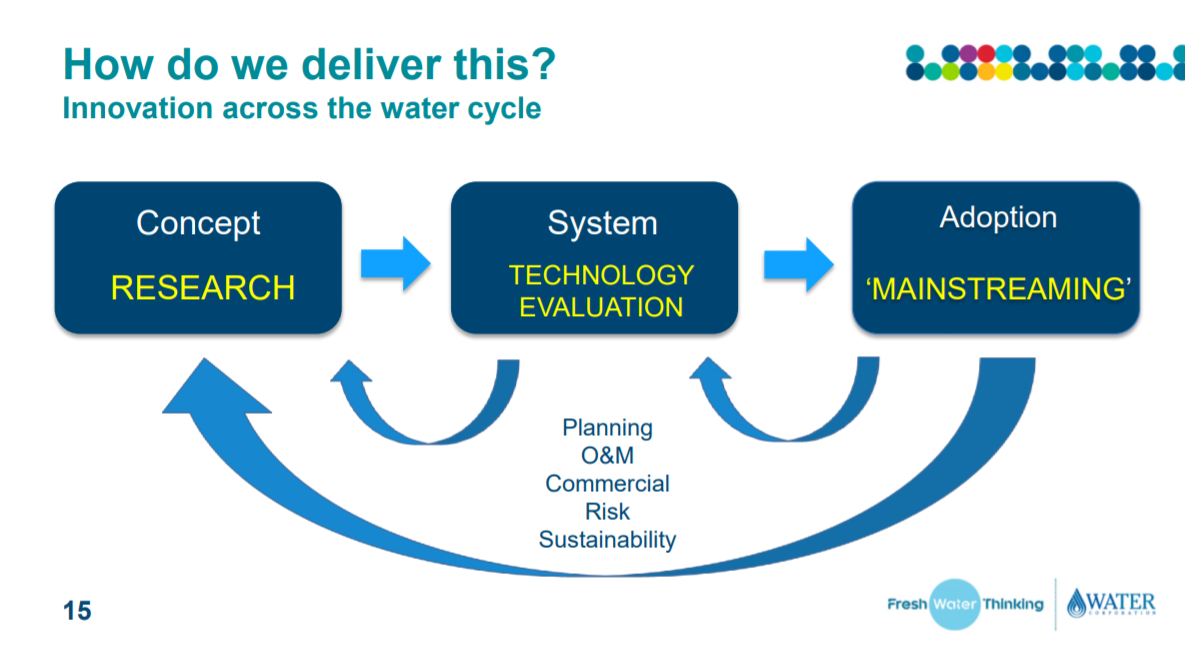
It shows that innovation can apply in different stages of water cycle, which contains concept, system and adoption under the consideration of commercial, risk, sustainability and so on. Based on the concept map mentioned by Dr. Steve Capewell, aging wastewater infrastructure belongs to second and last stage, which needs to technology evaluation and mainstreaming under the commercial, risk and sustainable consideration. Under this circumstance, I will do the further analysis of the aging wastewater infrastructure associated with SDG 9 (shown in Figure 4 below).
Reference
[2] Prosser MEE, Speight VL, Filion YR. Life‐cycle energy analysis of performance versus age‐based pipe replacement schedules. Water Works 2013, 105: P721– P732.
[3] https://sustainabledevelopment.un.org/sdg9
[4] Dr. Steve Capewell, Water Corporation. The future for urban water services. P15.
·The composition of wastewater
All the water can be defined as wastewater, which is composed of physical, chemical and biological pollutants, which will pose a potential threat on human health and sustainable environment.
·Physical contamination in wastewater
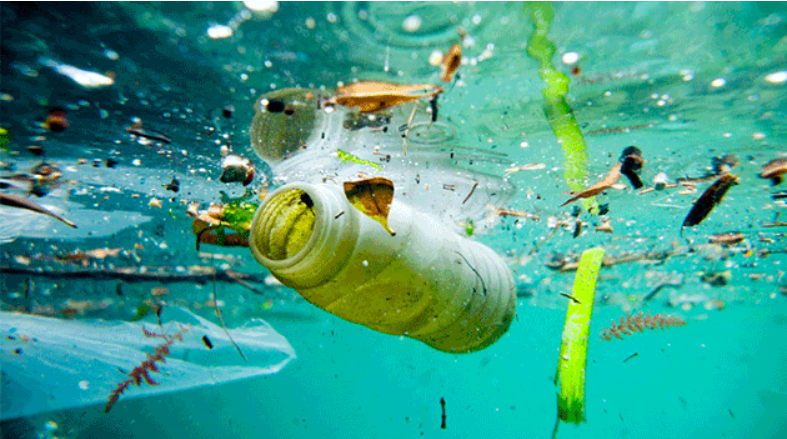
Have you ever seen toilet paper floating in the water in your life when you gone to the toilet? Can you imagine that you are swimming in the ocean or river with plastic bags or bottles? (shown in Figure 1 below) OMG. That’s disgusting! Those are the physical contaminants, which can be seen and touched. Those may be made of chemicals or they may have dangerous bacteria on them. With respect to wastewater, physical contamination can occur in domestic water (toilet paper in toilet water and food debris in our own glass of water). In addition, natural water resources will contain huge physical contamination (sludge in river), which may change the property or appearance of water.
·Major challenges facing physical contamination treatment
People on earth should be fully aware that water resource is limited and exhaustible, so that we need to recycle and reuse the wastewater. However, it’s difficult to deal with some problems about wastewater treatment.
For treatment process
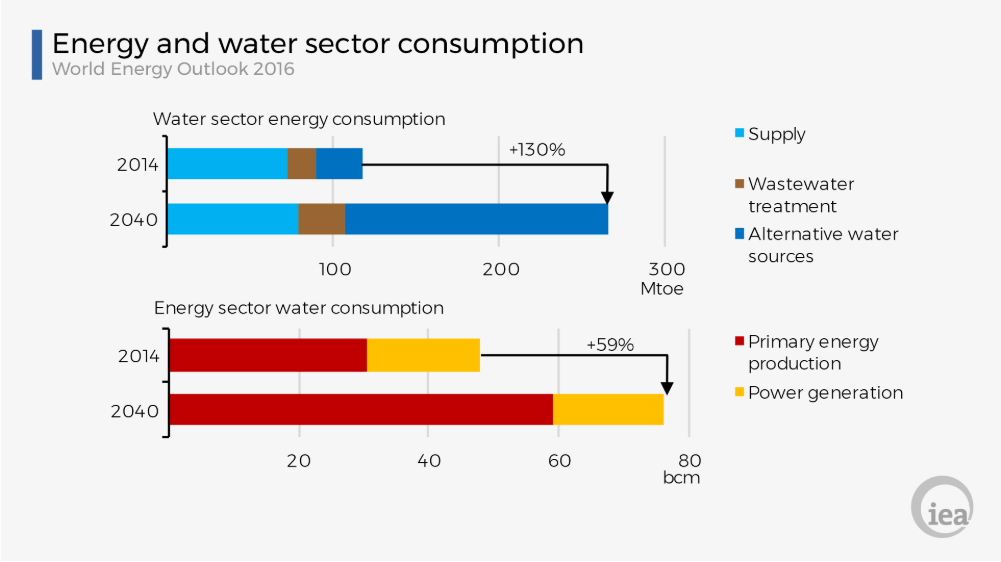
First of all, more energy consumption is one of the major issues of wastewater treatment in order to decompose physical pollutants in wastewater treatment process (shown in Figure 2 below)
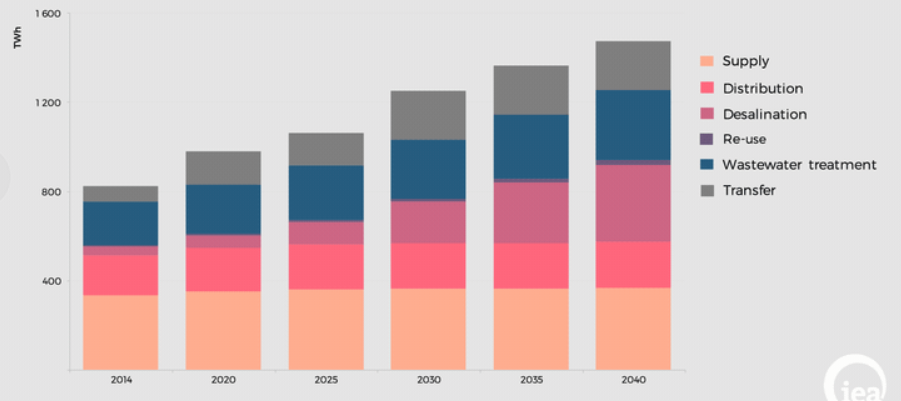
Secondly, it’s really difficult to purify and reuse the wastewater from physical pollutants during the wastewater treatment process, which will pose the potential threat to the body health and environmental issues (shown in Figure 3 below). The graph illustrated that we have a limited water resource from now to the future. Although wastewater desalination gradually increased, reusing wastewater still occupied a little part in the years to come due to the fact that we have limited knowledge and technology to develop the physical contamination in wastewater. On the other hand, physical pollutants contain a good deal of chemical and biological toxins, which will pollute water so that not only deal with the physical issue, but also consider other problems at the same time.
For environment
Sludge is another big issue we need to take into consideration, which is the residue generated during the physical treatment [3]. Besides, sludge is a major environmental challenge for physical wastewater treatment, which is hard to cope with the disposal of excess sludge produced during the process. Furthermore, final sludge disposal is originally a health risk issue due to the risk of spreading pathogens.
·Solution
It is universally acknowledged that clean water is an essential resource for people’s daily life as well as living environment throughout the whole world. Based on the major challenges facing wastewater treatment mentioned above, top priority has to be given to the solution of physical contamination in wastewater.
From my own perspective:
Reference
[1] https://waterfilteranswers.com/drinking-water-contamination-north-america/
[3] United States Environmental Protection Agency Office of Ground Water and Drinking Water (2002) Radionuclides in Drinking Water: A Small Entity Compliance Guide, EPA 815-R-02-001.
[4] “National Pollutant Discharge Elimination System”. Washington, D.C.: U.S. Environmental Protection Agency (EPA). 2017-01-15.
[5] https://sustainabledevelopment.un.org/sdg6
[6] Bixio, D., Deheyder, B., Cikurel, H. et al. (2005) Municipal wastewater reclamation: where do we stand? An overview of treatment technology and management practice. Water Supply 5, 77–85.
This is an example post, originally published as part of Blogging University. Enroll in one of our ten programs, and start your blog right.
You’re going to publish a post today. Don’t worry about how your blog looks. Don’t worry if you haven’t given it a name yet, or you’re feeling overwhelmed. Just click the “New Post” button, and tell us why you’re here.
Why do this?
The post can be short or long, a personal intro to your life or a bloggy mission statement, a manifesto for the future or a simple outline of your the types of things you hope to publish.
To help you get started, here are a few questions:
You’re not locked into any of this; one of the wonderful things about blogs is how they constantly evolve as we learn, grow, and interact with one another — but it’s good to know where and why you started, and articulating your goals may just give you a few other post ideas.
Can’t think how to get started? Just write the first thing that pops into your head. Anne Lamott, author of a book on writing we love, says that you need to give yourself permission to write a “crappy first draft”. Anne makes a great point — just start writing, and worry about editing it later.
When you’re ready to publish, give your post three to five tags that describe your blog’s focus — writing, photography, fiction, parenting, food, cars, movies, sports, whatever. These tags will help others who care about your topics find you in the Reader. Make sure one of the tags is “zerotohero,” so other new bloggers can find you, too.

 Wasterwater Treatment