·The composition of wastewater
All the water can be defined as wastewater, which is composed of physical, chemical and biological pollutants, which will pose a potential threat on human health and sustainable environment.
·Physical contamination in wastewater
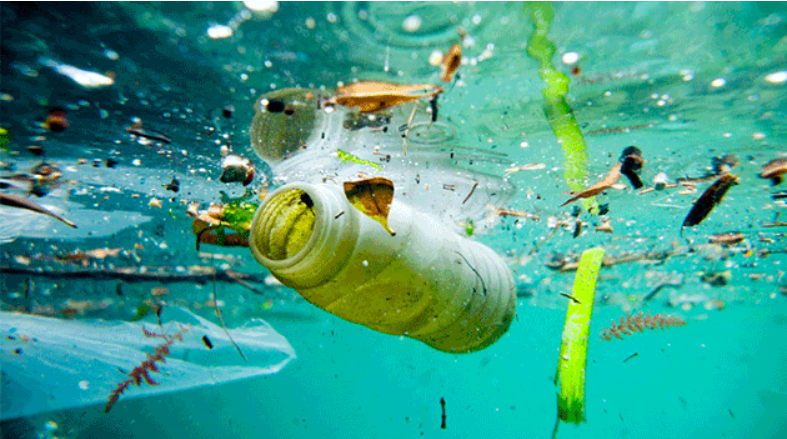
Have you ever seen toilet paper floating in the water in your life when you gone to the toilet? Can you imagine that you are swimming in the ocean or river with plastic bags or bottles? (shown in Figure 1 below) OMG. That’s disgusting! Those are the physical contaminants, which can be seen and touched. Those may be made of chemicals or they may have dangerous bacteria on them. With respect to wastewater, physical contamination can occur in domestic water (toilet paper in toilet water and food debris in our own glass of water). In addition, natural water resources will contain huge physical contamination (sludge in river), which may change the property or appearance of water.
·Major challenges facing physical contamination treatment
People on earth should be fully aware that water resource is limited and exhaustible, so that we need to recycle and reuse the wastewater. However, it’s difficult to deal with some problems about wastewater treatment.
For treatment process
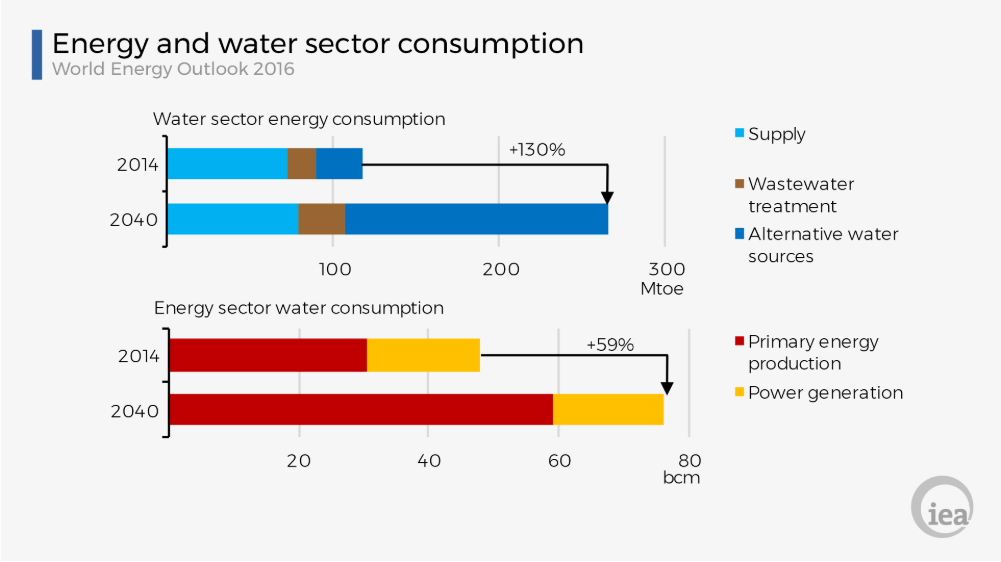
First of all, more energy consumption is one of the major issues of wastewater treatment in order to decompose physical pollutants in wastewater treatment process (shown in Figure 2 below)
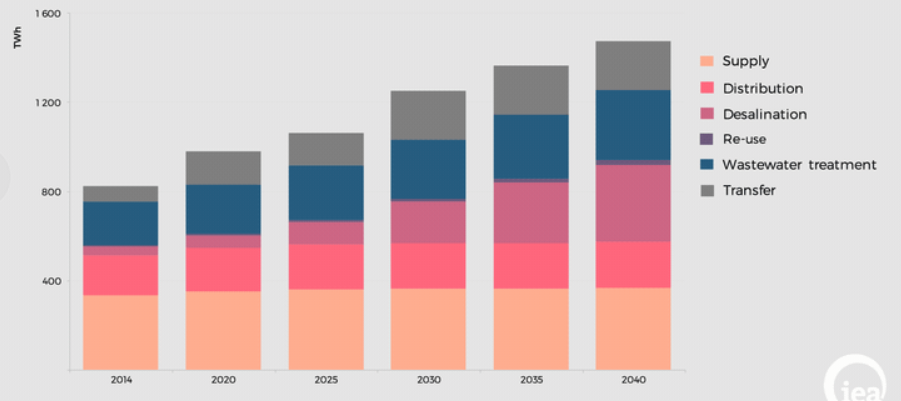
Secondly, it’s really difficult to purify and reuse the wastewater from physical pollutants during the wastewater treatment process, which will pose the potential threat to the body health and environmental issues (shown in Figure 3 below). The graph illustrated that we have a limited water resource from now to the future. Although wastewater desalination gradually increased, reusing wastewater still occupied a little part in the years to come due to the fact that we have limited knowledge and technology to develop the physical contamination in wastewater. On the other hand, physical pollutants contain a good deal of chemical and biological toxins, which will pollute water so that not only deal with the physical issue, but also consider other problems at the same time.
For environment
Sludge is another big issue we need to take into consideration, which is the residue generated during the physical treatment [3]. Besides, sludge is a major environmental challenge for physical wastewater treatment, which is hard to cope with the disposal of excess sludge produced during the process. Furthermore, final sludge disposal is originally a health risk issue due to the risk of spreading pathogens.
·Solution
It is universally acknowledged that clean water is an essential resource for people’s daily life as well as living environment throughout the whole world. Based on the major challenges facing wastewater treatment mentioned above, top priority has to be given to the solution of physical contamination in wastewater.
From my own perspective:
- Safe and long-term solutions for the destination of sludge produced by wastewater treatment plants are vital to sludge disinfection as well as final sludge disposal in an environmentally sustainable way [4]. In addition, we need to stop throwing the toilet paper into the toilet basin after using the toilet in our daily life and we need to try not to throw plastic bags or bottles into the rivers when we are travelling in order to improve the quality of the water making a better word in accord with SDG 6 [5] (6.3 improve water quality by reducing pollution, eliminating dumping and minimizing release of hazardous chemicals and materials, halving the proportion of untreated wastewater and substantially increasing recycling and safe reuse globally).
- Training and education of a new generation of engineers as well as scientists play a significantrole in wastewater treatment (including physical contamination in wastewater treatment) for the sake of designing new and retrofitting old wastewater treatment methods (including physical contamination in wastewater treatment methods) under the sustainable development goal 6 [5] (6.A develop sanitation-related activities, including water harvesting, desalination, water efficiency, wastewater treatment, recycling and reuse technologies) and the sustainable development goal 6 [5] (6.4.1 Change in water-use efficiency over time), which will break through the limits of the technologies and processes to achieve wastewater (including physical contamination in wastewater) recycling and reuse as efficient as possible to a larger extent over time.
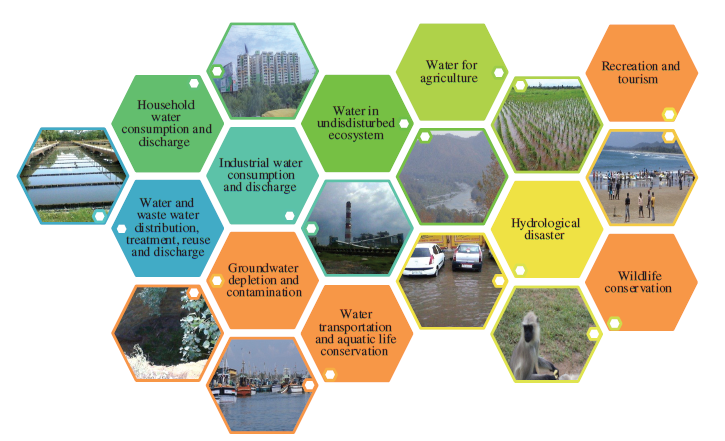
- To set up integrated water management system and sustainable water management system [6] are important to design a proper water distribution as well as wastewater collection in order to deliver effective water resource services with minimum risks and sustainable system related to SDG 6 [5] (6.5 implement integrated water resources management at all levels, including through transboundary cooperation as appropriate). Figure 4 shows the major themes that need to be integrated for a sustainable water management system.
Reference
[1] https://waterfilteranswers.com/drinking-water-contamination-north-america/
[3] United States Environmental Protection Agency Office of Ground Water and Drinking Water (2002) Radionuclides in Drinking Water: A Small Entity Compliance Guide, EPA 815-R-02-001.
[4] “National Pollutant Discharge Elimination System”. Washington, D.C.: U.S. Environmental Protection Agency (EPA). 2017-01-15.
[5] https://sustainabledevelopment.un.org/sdg6
[6] Bixio, D., Deheyder, B., Cikurel, H. et al. (2005) Municipal wastewater reclamation: where do we stand? An overview of treatment technology and management practice. Water Supply 5, 77–85.
 Wasterwater Treatment